
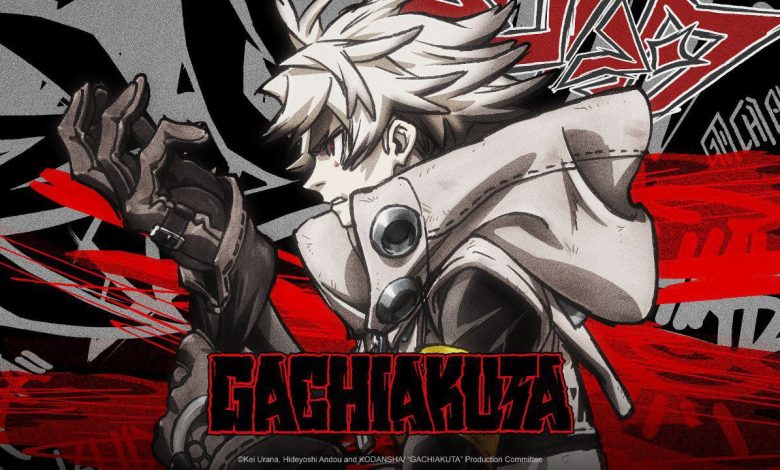
Gachiakuta: Diving into the Abyss – Where Society’s Trash Fuels a Rebellion
In 2025, a new shonen force descended, not from a realm of magic or reincarnation, but from the suffocating depths of a world built on its own refuse. Gachiakuta, based on the acclaimed manga by Kei Urana, presents a dystopia of stark verticality and brutal philosophy.
It’s a world divided between the pristine, sky-high city of “The Sphere,” where the elite live in sterile comfort, and “The Abyss,” a nightmarish, endless chasm where all of the Sphere’s garbage—and those deemed “trash” by its society—are discarded.
This is the story of Rudo, a young man raised in the slums bordering the Abyss, who is falsely accused of murder and thrown down into the pit. Instead of death, he finds a harsh, polluted world where humanity survives amidst the waste, and where certain cursed items, “Jinki,” hold immense power for those branded as “Gachiakuta”—trash-wielders.
Gachiakuta is a series defined by its raw aesthetic, its complex system of garbage-based magic, and its potent social allegory. It’s a story of rebellion forged in filth, where the very things the upper world discards become the weapons to tear it down.
Information 

Gachiakuta
➻ Type :- TV
➻ Genres :- #Action, #Fantasy, #SciFi, #Dystopian, #Shounen
➻ Status :- Finished Airing
➻ Aired :- 2025
➻ Language :- Tamil
➻ Episode :- 24
➻ Duration :- 24 min per ep
This guide will descend with you into the world of Gachiakuta. We will chart Rudo’s fall and rise, dissect the brutal yet beautiful mechanics of Jinki, explore the factions warring in the Abyss, and analyze the series’ powerful commentary on class, waste, and the human spirit.
Table of Contents
Prologue: The Fall – From Slums to the Pit
The narrative of Gachiakuta begins with a powerful, character-defining injustice. Rudo lives in the “Border,” the squalid, lawless slums that cling to the edge of the massive chasm known as the Abyss. He was raised by Regto, a kind but strict caretaker who instilled in him one core principle: “Never throw anything away.” This philosophy is a radical act of defiance in a world where the Sphere discards everything—objects, people, history—with casual cruelty.
When Regto is murdered, Rudo is the prime suspect. With no trial and no recourse, the enforcers of the Sphere, the “Cleaners,” cast him into the Abyss—the ultimate punishment for the “trash” of society. His fall is not just physical; it is an erasure. But Rudo survives. He lands in a vast, toxic junkyard of civilization, a literal underworld built from centuries of discarded wealth and lives.
This fall is the inciting incident that redefines his existence. His caretaker’s teachings, once a moral code, now become a key to survival and power in a world where everything thrown away holds potential. His quest for answers about Regto’s death transforms into a deeper mission: to understand the truth of the world above and below, and to make those who threw him away pay.
Chapter 1: The Protagonist – Rudo, The Vengeful Child of the Abyss
Rudo is a classic shonen protagonist filtered through a lens of grime, trauma, and righteous fury.
- A Morality Forged in the Gutter: Rudo is not inherently noble. He’s hot-headed, deeply traumatized, and fueled by a potent mix of grief and rage. His initial motivation is pure vengeance against the Sphere and the Cleaners. His growth lies in channeling this rage into a broader rebellion and understanding the systemic rot of his world.
- The “Never Throw Away” Philosophy: This is his core ethos. In the Abyss, it’s a practical survival skill—finding value in broken things. Metaphorically, it’s a rejection of the Sphere’s entire disposable culture. Rudo embodies the idea that what society discards—people, objects, memories—retains worth and power.
- The Bond with Engine: His first and most crucial relationship in the Abyss is with Engine, a mysterious, mask-wearing man who rescues him. Engine becomes a reluctant mentor, introducing Rudo to the harsh realities of the Abyss and the path of the Gachiakuta. Their dynamic is less master-student and more like a gruff older brother and a feral younger sibling.
Chapter 2: The Magic System – The Power of Cursed Trash (Jinki)
The combat and supernatural system of Gachiakuta is one of its most inventive and thematically resonant aspects.
- Jinki (Dust Tools): These are the core of the power system. Jinki are objects discarded from the Sphere that have been “cursed” by the intense emotions (regret, anger, love, sorrow) of their previous owners during their disposal. This emotional residue fuses with the pollution and unique energies of the Abyss, transforming them into weapons, tools, and artifacts of immense power.
- Becoming a Gachiakuta: To wield a Jinki, one must be “branded.” This is a painful, spiritual process where the would-be wielder forms a pact with the Jinki, accepting the emotional curse within it. The Jinki bonds to their soul, often manifesting a physical mark or alteration. A Gachiakuta is literally one who “wields trash,” a title of both power and shame.
- Unique Abilities & Limitations: Each Jinki grants abilities based on its original form and the emotion cursed into it. A discarded child’s music box might manipulate sound; a broken soldier’s helmet might grant phantom armor. However, using a Jinki risks the wielder being consumed by its embedded emotion—its “grudge.” Mastery involves harmonizing with, not being overthrown by, this curse.
- Rudo’s Jinki – “Bristle”: Rudo’s branded Jinki is a worn-out, disposable cleaning glove. Its power is deceptively simple but profound: it allows him to “clean” or purify matter at a touch. He can disintegrate debris, break down structures, or even “clean” the toxic effects of other Jinki or the Abyss itself. It’s a power that perfectly mirrors his philosophy—finding utility and purity in what is soiled.
Chapter 3: The World – The Sphere and the Abyss, A Dystopian Dichotomy
The setting is a character in itself, a stark visual representation of class struggle and environmental collapse.
- The Sphere (The Upper World): A gleaming, sterile city elevated high above the wasteland. Its citizens live in ignorant comfort, conditioned to believe the Abyss is a necessary dumping ground and that those sent there are irredeemable criminals. It represents hyper-consumerism, willful ignorance, and a rigid, oppressive social order maintained by the Cleaners.
- The Abyss (The Pit/The Lower World): A nightmarish, yet vibrant, ecosystem of waste. It’s not empty; it’s populated by the descendants of the discarded, mutated creatures, and roaming bands of survivors. Settlements like the “Scrap Town” are built from salvage. It’s a place of constant danger from toxic weather, monstrous “Beasts of the Abyss,” and rival factions, but also of strange beauty and fierce community.
- The Cleaners: The military-police force of the Sphere. Clad in pristine white uniforms and masks, they are the enforcers of order, tasked with “cleansing” the Sphere of undesirables and maintaining the myth of their society’s perfection. They are Rudo’s personal nemeses and the symbol of the upper world’s violent hypocrisy.
Chapter 4: The Factions of the Abyss – Surviving in the Junkyard
The Abyss is not a unified hell; it’s a fractured landscape of competing groups with different ideologies.
- The Janitors: The primary faction Rudo and Engine align with. They are an organization of Gachiakuta who see themselves as protectors of the Abyss’s inhabitants. They use their Jinki to fend off Beasts, mediate disputes, and maintain fragile pockets of order. Their goal is survival and protecting their home, not necessarily war with the Sphere.
- The Scavengers & Wasteland Tribes: Independent groups focused solely on survival, salvage, and trade. They are often neutral but can be hostile or opportunistic.
- The Corrupted & The Lost: Those who have been consumed by their Jinki’s grudge or the Abyss’s toxins, becoming monstrous, mindless threats. They serve as a constant warning of the dangers of the power Gachiakuta wield.
- Rivals & Antagonists: Other, more aggressive Gachiakuta users with conflicting goals, and of course, incursions from the Cleaners, who venture into the Abyss on extermination missions.
Chapter 5: Themes – The Allegory in the Waste
Gachiakuta is a potent social and environmental critique wrapped in a shonen action package.
- Class Warfare & Discarded People: The most direct theme. The Sphere’s elite literally live above and discard their unwanted citizens into the pit. The story asks: Who decides what is trash? It gives voice and power to the “disposable” underclass.
- Environmental Catastrophe & Consumerism: The Abyss is the direct result of unchecked consumption and waste. The series is a stark parable about the literal and social cost of a throwaway culture, where the “externalities” create a whole monstrous world below.
- The Weight of Memory & Emotion: Jinki are literal vessels of memory and emotion. The series explores how the past, even when discarded, retains power and can haunt or empower the present. Rudo’s quest is as much about uncovering the buried truths of the world as it is about combat.
- Redefining Value: The core philosophy. In a world that only values the new and pristine, Gachiakuta argues that true value lies in repair, reuse, and understanding the history and potential in what is broken.
Chapter 6: Artistic Style & Direction – Grunge Aesthetics
The anime’s visual identity is crucial to its impact.
- “Gritty-Punk” Aesthetic: The art style is raw, with heavy linework, stark shadows, and a color palette dominated by grimy browns, toxic greens, and the sterile whites/blues of the Sphere. The animation emphasizes weight, impact, and the grotesque beauty of the Abyss’s junk-punk landscapes.
- Character & Jinki Design: Character designs are distinct and expressive, with Rudo’s wild hair and intense eyes contrasting with the masked anonymity of the Cleaners. Jinki designs are creatively grotesque or poignantly simple, always tied to their discarded origin.
- Atmosphere & Sound Design: The soundscape likely features industrial noise, oppressive silence, and a soundtrack that blends melancholic melodies with aggressive, punk-inspired tracks to match the setting’s duality of despair and defiance.
Chapter 7: Cultural Position & Appeal – The New Gritty Shonen
Gachiakuta arrived as part of a wave of darker, more philosophically complex shonen titles.
- For Fans of Darker Shonen: It appeals to viewers of series like Chainsaw Man, Jujutsu Kaisen, and Hell’s Paradise, offering a similarly high-stakes, morally gray world with a unique aesthetic twist.
- Socially Conscious Storytelling: It attracts audiences looking for narratives with strong political and environmental allegory, offering more than just battle progression.
- The Underdog Rebellion Fantasy: At its heart, it’s the ultimate underdog story—the literal trash of the world rising up with the power of that same trash to challenge the gods above. It’s a uniquely potent power fantasy for the disenfranchised.
Conclusion: Rising from the Trash
Gachiakuta is more than an action manga; it is a visceral manifesto. It takes the classic shonen trope of the outcast hero and roots it in a tangible, horrifying metaphor for class oppression and environmental decay. Rudo’s journey is not just about getting stronger; it’s about weaponizing the very notion of being discarded. His glove, “Bristle,” isn’t just a tool for fighting—it’s a symbol of reclaiming agency, of cleaning the stain of societal rejection.
The series forces us to look at our own world’s mountains of waste—both material and human—and asks what curses and what power might fester within them. For its brutal world-building, its inventive and thematic power system, and its unflinching social commentary, Gachiakuta establishes itself as a vital, gritty new voice in anime.
It proves that from the deepest pits, where society hides its sins, the most furious and determined heroes can rise, armed with nothing but the broken treasures everyone else threw away. The fall is just the beginning; the rebellion is built from scrap.

Also Check
- haikyu!! (Season 1-4) Tamil [480p 720p 1080p]
- Zom 100: Bucket List of the Dead (Season 01) Tamil [480p 720p 1080p]
Final Summary 🪶
IMDB - 8
MyAnimeList - 8.2
8.1
Average Score
Gachiakuta hits hard from the start. It’s gritty, emotional, and has this raw energy that makes the world feel brutal but real. The art style and fights feel rough in a good way, and the story keeps pulling you deeper. If you like dark, intense anime with attitude, this one’s worth checking out.

